uPVC Tilt & Turn Windows

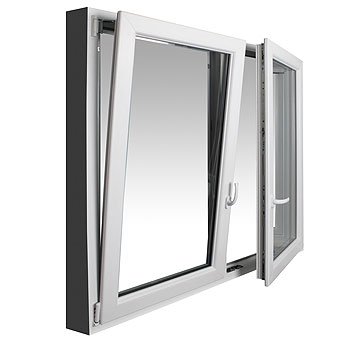
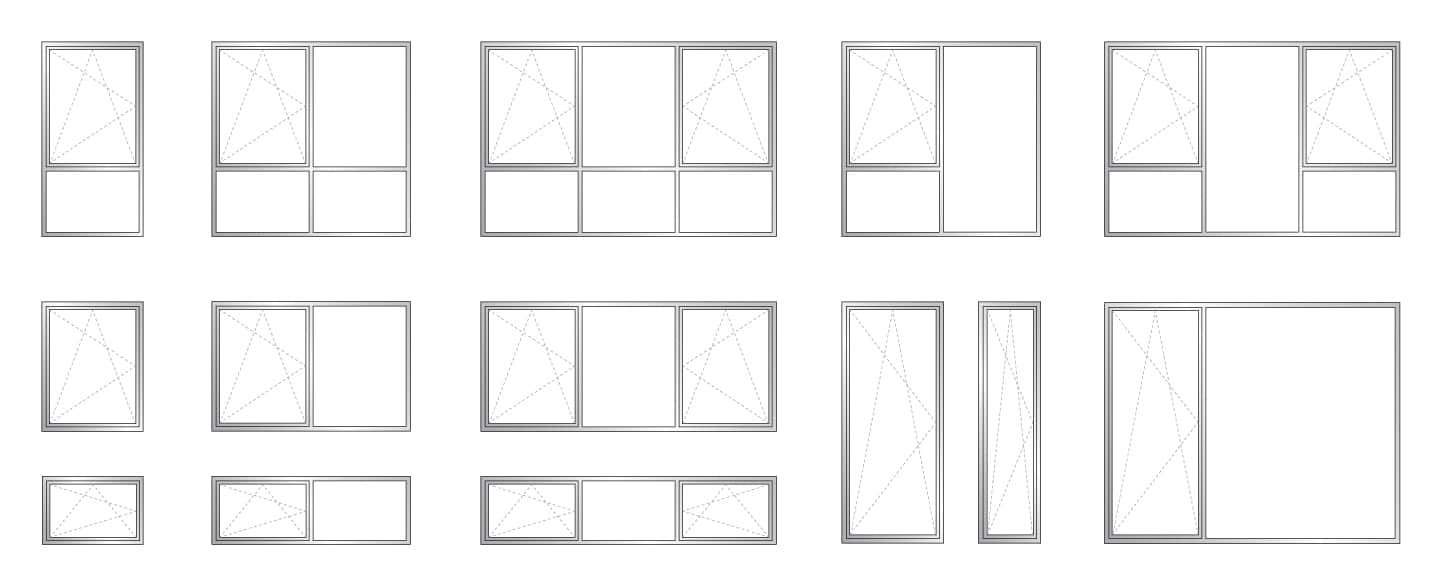
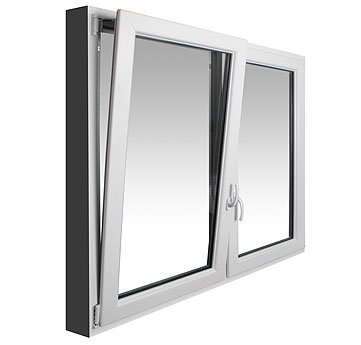
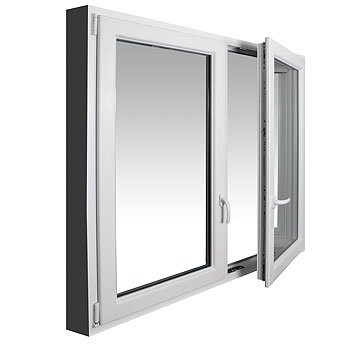
These uPVC windows swing inward when opened in the turn position; alternatively, hinges at the bottom allow it to open inward at the top. Both actions are activated by the turn of a lever, which controls all the mechanics within the frame. This window style looks stunning, whilst offering a flexible opening option.
Features & Benefits

  • ROffers maximum ventilation and quick cleaning
  • REnergy saving design helps insulate the room against the heat
  • RTilt position allows fresh air and protection from rain
  • RSelf-extinguishing
  • RHighly durable, designed to withstand extreme temperatures
  • RDouble glass option for better insulation from noise pollution
  • RTermite proof and corrosion resistant
  • RCome in a variety of coloured laminates

Application

  • RResidential
  • RCommercial

Dimensions (each shutter)

  • RSingle Opening Window: Minimum Width - 600 mm and Minimum Height - 700 mm
  • RSingle Opening Window: Maximum Width - 750 mm and Maximum Height - 1500 mm

Glass Configuration

  • R5 mm -23 mm
Our Products
Why to Choose uPVC
Personalizable
Most UPVC windows, doors, and external fascias are typically white. However, advancements in the production process have resulted in homeowners being able to choose from a variety of customisable shapes, styles, and imitation impacts such as wood grain.

Installation companies and manufacturers can now customise UPVC products to your exact specifications, ensuring that your windows and doors fit perfectly into your home or property.

Safety
Any window or door setup must prioritise a property’s or home’s security. This is why UPVC outperforms expectations with an ultra-light yet durable frame that, when combined with various locking combinations and a double-glazed pane of glass, prevents an intruder from breaking in.
Insulate
When it comes to new windows and doors, energy efficiency is at the forefront of everyone’s mind, and the materials used will have an impact on the warmth and window energy rating of your home.

UPVC is a low conductor of heat, which means that when properly installed, it will form a closed air system, minimising heat loss experienced by non-insulating materials.

Ease of Maintenance
Unlike natural materials, which require annual sanding, varnishing, and repainting, UPVC requires little maintenance. UPVC windows and doors can last for decades without showing signs of wear and tear; the only maintenance required is a clean wipe down with soapy water to prevent staining and remove grime or dirt.
Longevity
The material is extremely tough, which means the frames can withstand the most extreme elements and are resistant to rot and corrosion, which is especially beneficial for properties near the sea, where high salt content can be a problem. The UPVC coating is also resistant to ultraviolet (UV) rays, which prevents the material from fading when exposed to direct sunlight for an extended period of time. This is one of the main reasons to choose uPVC windows & Doors.
Air Circulation
UPVC windows are available in a variety of window style configurations, allowing for an efficient ventilation system and effective airflow into a room. The ‘tilt and turn’ window configuration is an effective window configuration that consists of a two-window arrangement that can open in two separate directions, providing draft-free ventilation.

When the window is tilted inwards, hot air can escape through the top and side openings, while fully opening the window can quickly ventilate the atmosphere of an entire room, which is useful for cleaning or refreshing.

Environmentally Friendly
UPVC windows have an average life span of 40-80 years and are made of mostly recyclable materials to have a low long-term impact on the environment.

When replacing old UPVC windows and doors, ask your installer if they will be disposed of properly so that the materials can be recycled and reused in other products such as pipes, plumbing fittings, and more.

Weatherproof
Weathering is a common issue with most materials used on the exterior of a home. UPVC windows and doors do not react with water or air and are not affected by natural elements, resulting in a longer life span with no signs of ageing and these are some of the reasons to choose uPVC windows & Doors.

While UPVC can withstand the elements and requires very little maintenance than naturally occurring counterpart timber, we recommend that any external UPVC installations, including soffits and facets, be maintained on a regular basis to ensure their longevity.

Flame retardant
According to building codes, units and frames for windows and doors must be made of fire-rated materials to prevent external fire spread. UPVC is also a material that is required by building codes to adhere to the fire safety protocol, which means that it will keep the primary route open for 30 minutes in the event of a fire, thus making it a choice for doors and windows.

While UPVC can withstand the elements and requires very little maintenance than naturally occurring counterpart timber, we recommend that any external UPVC installations, including soffits and facets, be maintained on a regular basis to ensure their longevity.

Soundproofing
The UPVC material, in conjunction with the double-glazed window panels, helps to reduce the amount of noise that can enter your home. When compared to traditional counterparts, most UPVC windows and doors must reduce external noise by up to 50%.

While UPVC can withstand the elements and requires very little maintenance than naturally occurring counterpart timber, we recommend that any external UPVC installations, including soffits and facets, be maintained on a regular basis to ensure their longevity.